

Make a special day even more special! Pacific University employees can bestow a family member's diploma on stage during May’s Commencement ceremony. Contact Rebeka Andrade in the President’s Office today for details.
News, Media and Stories

The 60-minute April 17 All-Staff Meeting recording and slides are now available. Topics included Staff Senate elections, the June All-Staff Conference, upcoming event staff opportunities, strategic plan updates, Canopy EAP benefits, UIS updates, FAFSA updates, and other announcements.
Read the latest update on the work of the President's Restructuring Task Force.
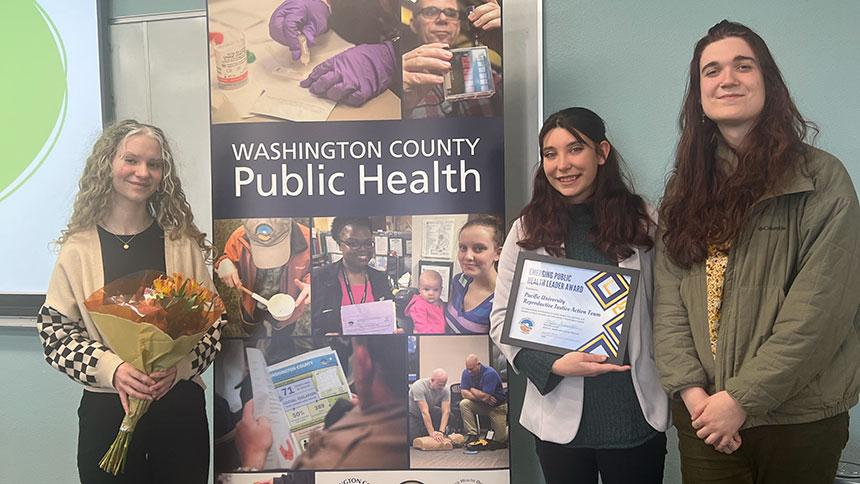
Pacific's Reproductive Justice Action Team is recognized with an award from the Washington County Department of Health and Human Services for its efforts to educate the campus community on health issues.
The state of Oregon has passed a new bill (HB 3456) requiring all employees of institutions of higher education to complete an annual sexual misconduct prevention training. The training will be assigned to all employees next week.
"Interconnected" features the work of three graduating seniors from the Art Department.
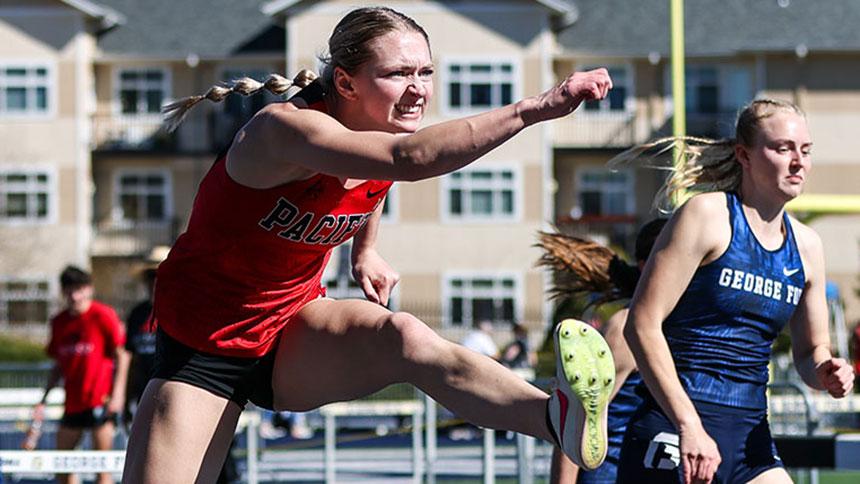
As the spring sports seasons rapidly come to a close, the Pacific track and field teams continue to take an eraser to the record books as the Northwest Conference Championships await next weekend.
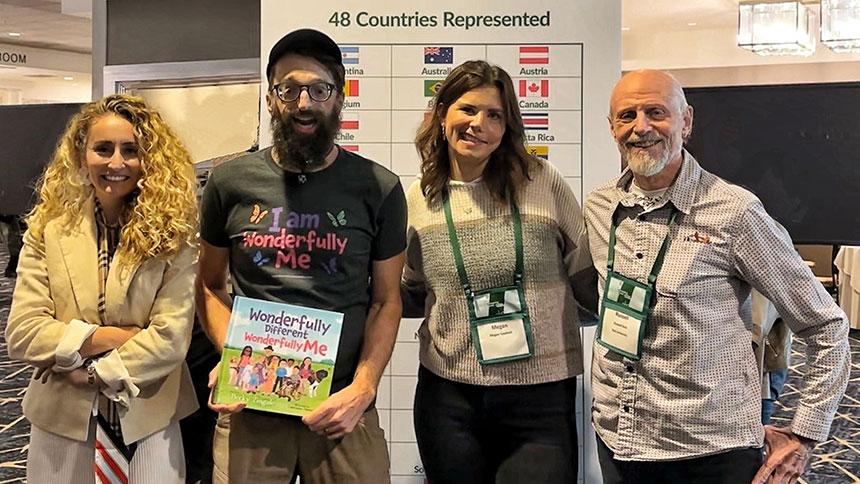
A personal experience for Pacific University College of Business Professor Lena Cavusoglu leads to the production of Face Value, an award-winning documentary about the experiences of those with facial differences in society.
Mark your calendars for Pacific’s Commencement on May 18, 2024 and help make the day extra special for our graduates! The university needs staff members to help with student support, guest seating, program distribution, shuttle driving, and more.
Please be advised that parking along College Way of the Forest Grove Campus will be impacted on Monday, April 22.