
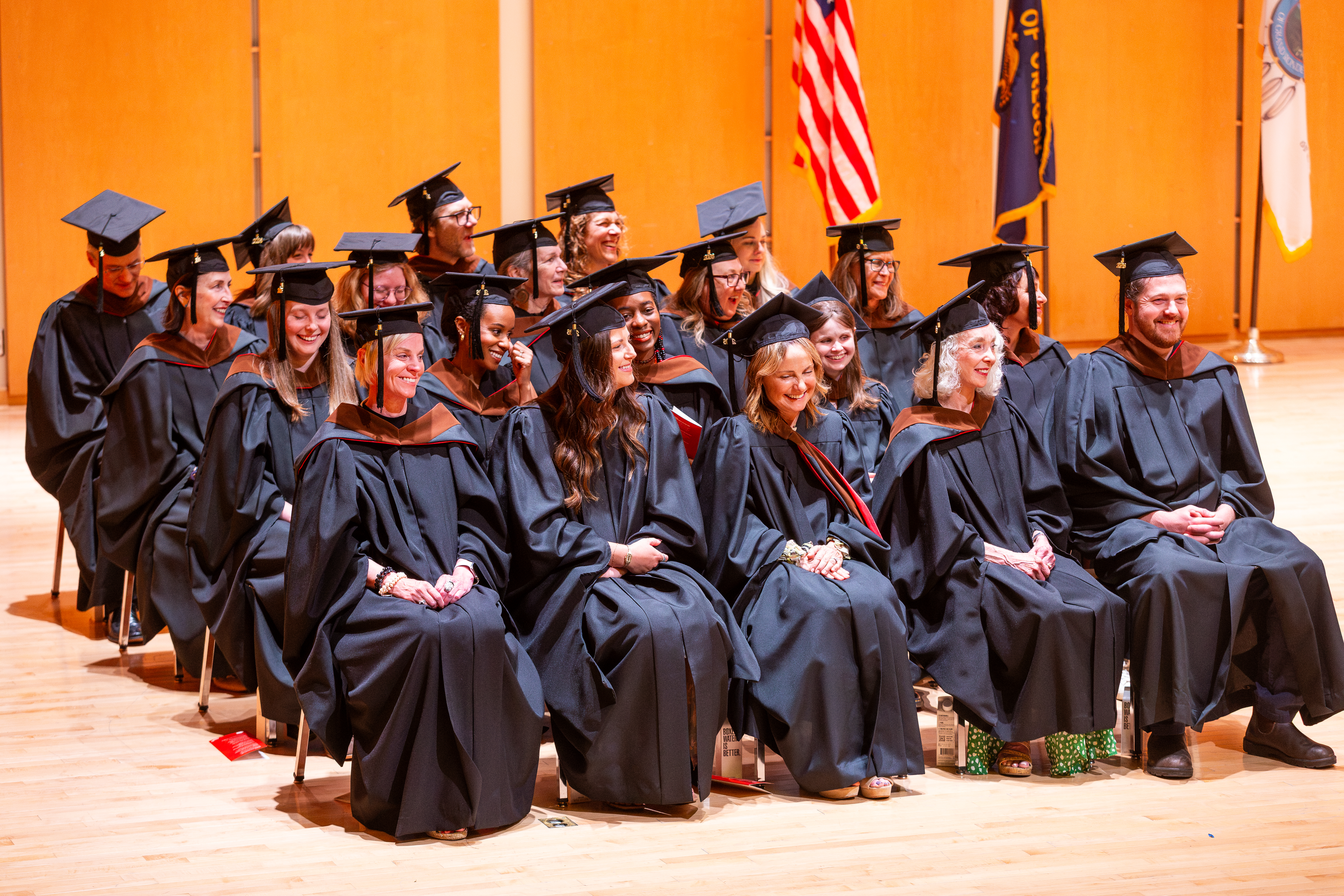
Pacific University’s Guide for Students Considering A Graduate Education
Thinking about graduate school? Get all your questions answered by speaking to a graduate school admissions officer about the program of your choice at Pacific University.
Should I go to grad school? What is grad school good for? Many undergraduates, professionals and career changers ask themselves this question at one point or another. The answer will depend on your personal circumstances and goals, but graduate school can be a good option for those wanting to develop professionally, switch careers or simply further their education.
You may choose to apply to graduate school directly after completing your undergraduate degree, or even as a part of your undergraduate degree. Pacific University offers guaranteed graduate school admission for undergraduates applying to 11 graduate programs at Pacific. Alternatively, you may enter the workforce after completing your undergraduate degree and then apply to grad school later as your career develops or if you decide to switch professions. Pacific University offers several graduate programs with options for working professionals to take classes part time, complete coursework online or at an accelerated pace.
What is Grad School?
Grad school, or graduate school, is a postgraduate degree program. This means that students have already completed their undergraduate (bachelor’s) degree by the time they enter the program. Graduate school degrees include PhDs and master’s degrees along with many other degree programs. All of these programs focus on in-depth knowledge and professional expertise.
As an undergraduate, you spend time studying a variety of subjects to give you a strong liberal arts education. In graduate school, you’ll focus on a single subject, developing in-depth expertise and professionalization. As you consider graduate school, think about the place a graduate program might have in your academic and professional pathway.
How Many Years is Grad School?
The length of a graduate program is widely variable and can range from one year for some masters programs to as much as seven or more years for some PhD programs. For example, students preparing to become teachers can complete their MAT in as little as one year through Pacific University’s one year online program. This program begins during the summer and supports students in achieving middle/high school licensure with a single subject endorsement.
Meanwhile, Pacific University’s PhD program in Education and Leadership (PhDEL) is a low residency program for experienced professionals in education and healthcare and takes about three years to complete.
Should I Go to Grad School?
Graduate school can be a wonderful experience and a practical credential for some. But for others, it may not be the best use of time or resources. As you consider whether or not to go to grad school, you’ll want to reflect on your personal situation and career ambitions and speak to professors, mentors, advisors and professionals in your field.
For example, in some professions a master’s degree, PhD or professional licensure may result in a higher income over the life of your career. Sometimes these degrees are requirements for the job or career path you want. The more you know about graduate school and about the requirements of your intended profession, the better prepared you will be to make your decision.
Some things you’ll want to consider when deciding whether or not to pursue a graduate degree are:
- Is a graduate degree required for advancement in your field?
- Is a graduate degree required for professional licensure in your field?
- How long is the grad program that you’re interested in? And how expensive is it for you? This may include time out of the workforce as well as tuition. Is there financial aid available? Will the graduate degree result in increased earning potential that can offset the cost of the degree?
- What are the benefits of attending graduate school in your specific situation?
- Are you interested in pursuing an in-depth academic experience in your subject area?
- Are you trying to change careers and do you think a graduate degree might support this professional move?
- Are you trying to advance in your profession and will a graduate program help you to achieve your goals?
Graduate school requires a substantial investment of time, energy and resources. Is graduate school worth it? Determining this for your particular situation may take some thought, reflection and research into your particular field.
Questions to Ask About Grad School
Once you have chosen a graduate program to apply to, you’ll want to speak with an admissions counselor to answer important questions such as:
- What is the course of study in the program and how does it fit with your goals and interests?
- Who teaches in the program? Are there professors you feel excited to work with?
- How long do students usually take to complete their program?
- Do students typically work during their programs?
- Does the program have prerequisite requirements for entry?
- How does the program prepare you for your profession after graduation?
- What is the employment rate for students within their first year after graduation? Where do they tend to get jobs?
- How does the program support licensure requirements, prepare students for certification exams and other necessary requirements to enter or progress in your field?
- If there is a required exam for licensure, what is the program’s pass rate?
- What do current students and alumni say about their experience in the program?
These are just a few questions to ask about grad school. You'll want to come up with more questions based on your own individual circumstances and program.
Graduate school can be a transformative experience, helping to energize interests, deepen knowledge and grow careers. If you believe graduate school may be right for you, reach out to a graduate school admissions officer to talk about your options.
Need help paying for graduate school? Pacific University has a variety of scholarships and grants available for graduate and professional students.