
Why Earn a MS SLP Degree?
The Master of Science in Speech-Language Pathology (SLP) at Pacific University prepares students for entry-level clinical practice as speech-language pathologists (SLPs).
SLPs help people of all ages by diagnosing and treating conditions with swallowing, speech, language, and social and cognitive communication. Speech-language pathology is one of the fastest-growing careers in healthcare, projected to grow 21% through 2031, offering exceptional quality of life, meaningful work across the entire lifespan, and the flexibility to practice in diverse settings, including schools, hospitals, private practice, and rehabilitation centers.
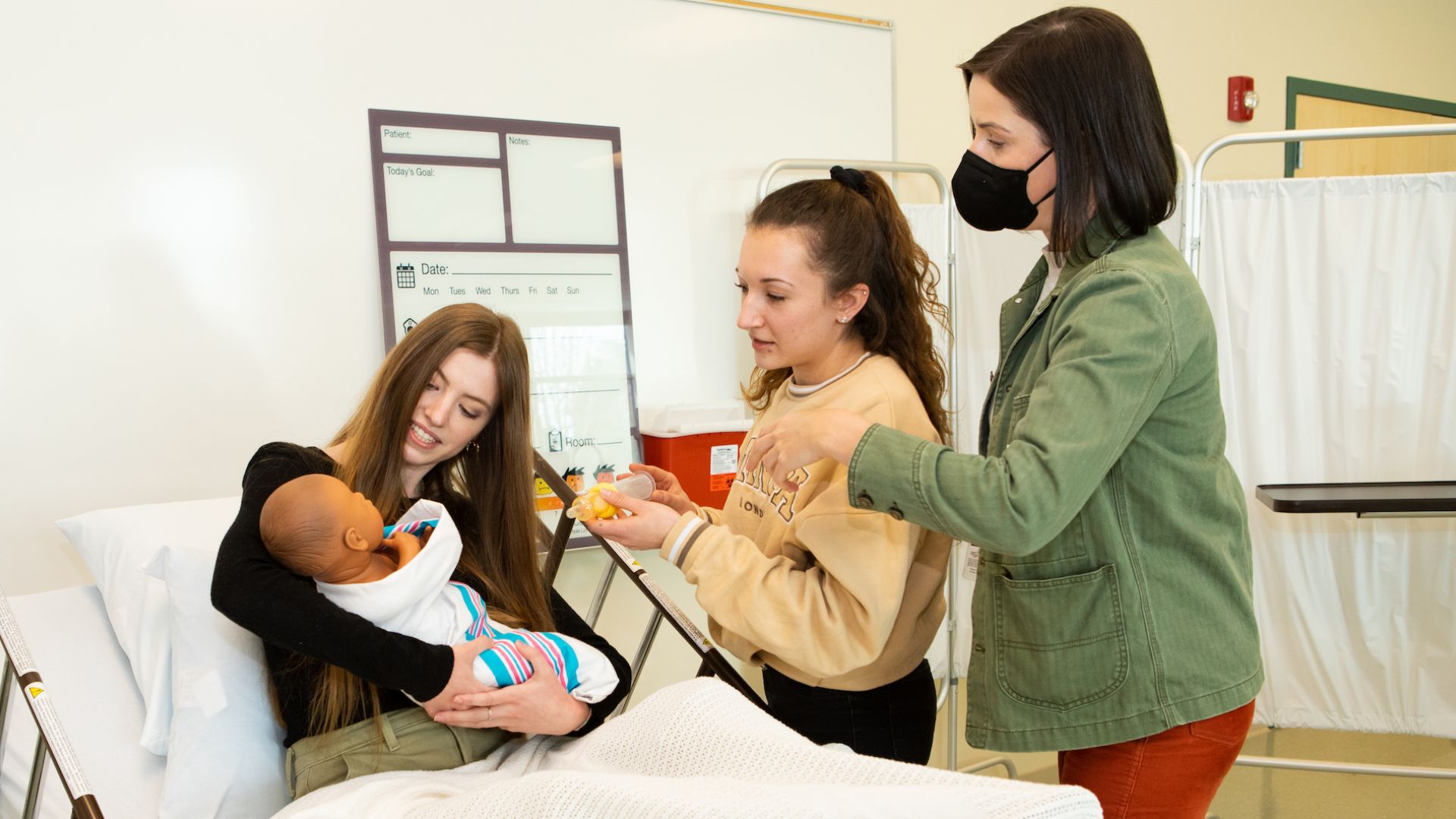
At Pacific University, you can pursue a rewarding career in language pathology. Students have the opportunity to work closely with faculty and professional SLP supervisors. Students also gain interdisciplinary experience by working with allied health professionals in a variety of community-based settings throughout the graduate SLP program.
What Can You Do with a MS SLP Degree?
Pacific graduates go on to work in schools, hospitals, rehabilitation centers, early childhood programs, and private practice, with 97% employed within their first year. Whether you complete our two-year or three-year program, you'll leave ready to apply for licensure and entry-level practice across any setting.
Part-Time Three-Year Pathway
In addition to our full-time, two-year program, Pacific University offers a part-time, three-year MS SLP pathway delivering the same rigorous, ASHA-accredited curriculum, faculty, and clinical experiences. The three-year pathway is extended across eight semesters so students can balance work, family, caregiving, and other commitments without compromising their education. With a schedule of just two to three days per week through the final semester, students will complete all 68 credits and graduate fully prepared for entry-level clinical practice.
Pacific University Chapter of NSSLHA
Students have the option of joining the Pacific University Chapter of the National Student Speech-Language-Hearing Association (NSSLHA). Pacific University is included among the list of recognized programs supporting the academic and pre-professional interest of students who are engaged in the study of communication sciences and disorders.
Clinical Simulation Program
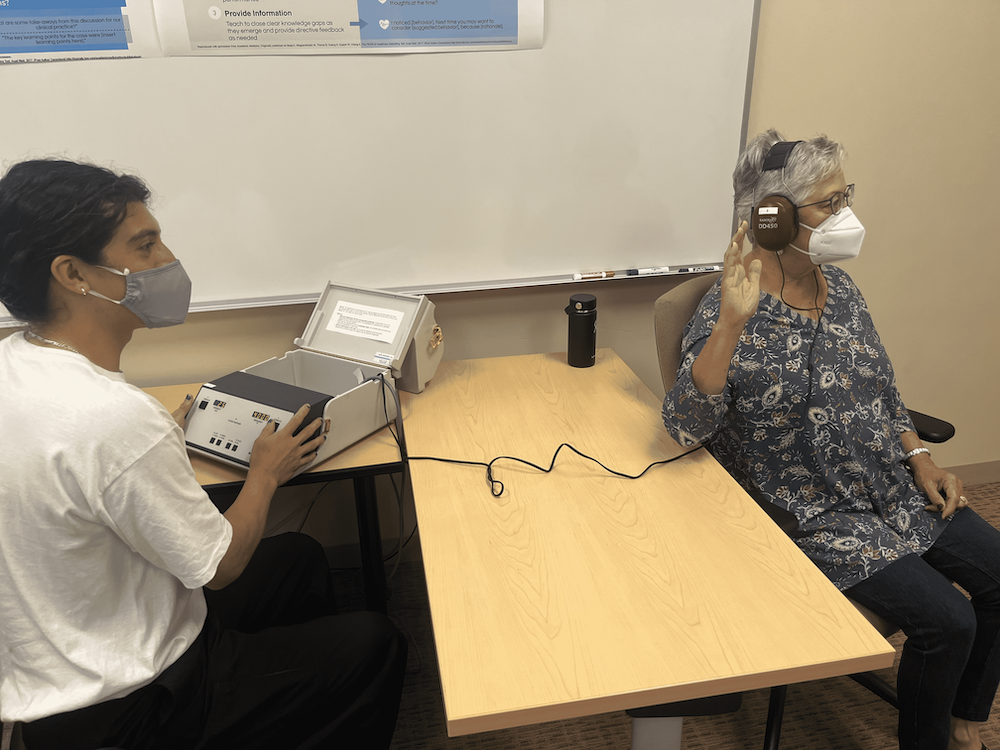
Pacific University's clinical simulation program is one of the largest and most integrated in the country. Students complete more than twenty realistic simulations embedded throughout the curriculum, replicating real-world healthcare scenarios in a safe, supported learning environment that builds clinical confidence before entering the field.
Community-Based Clinical Training: Learn Where You'll Practice
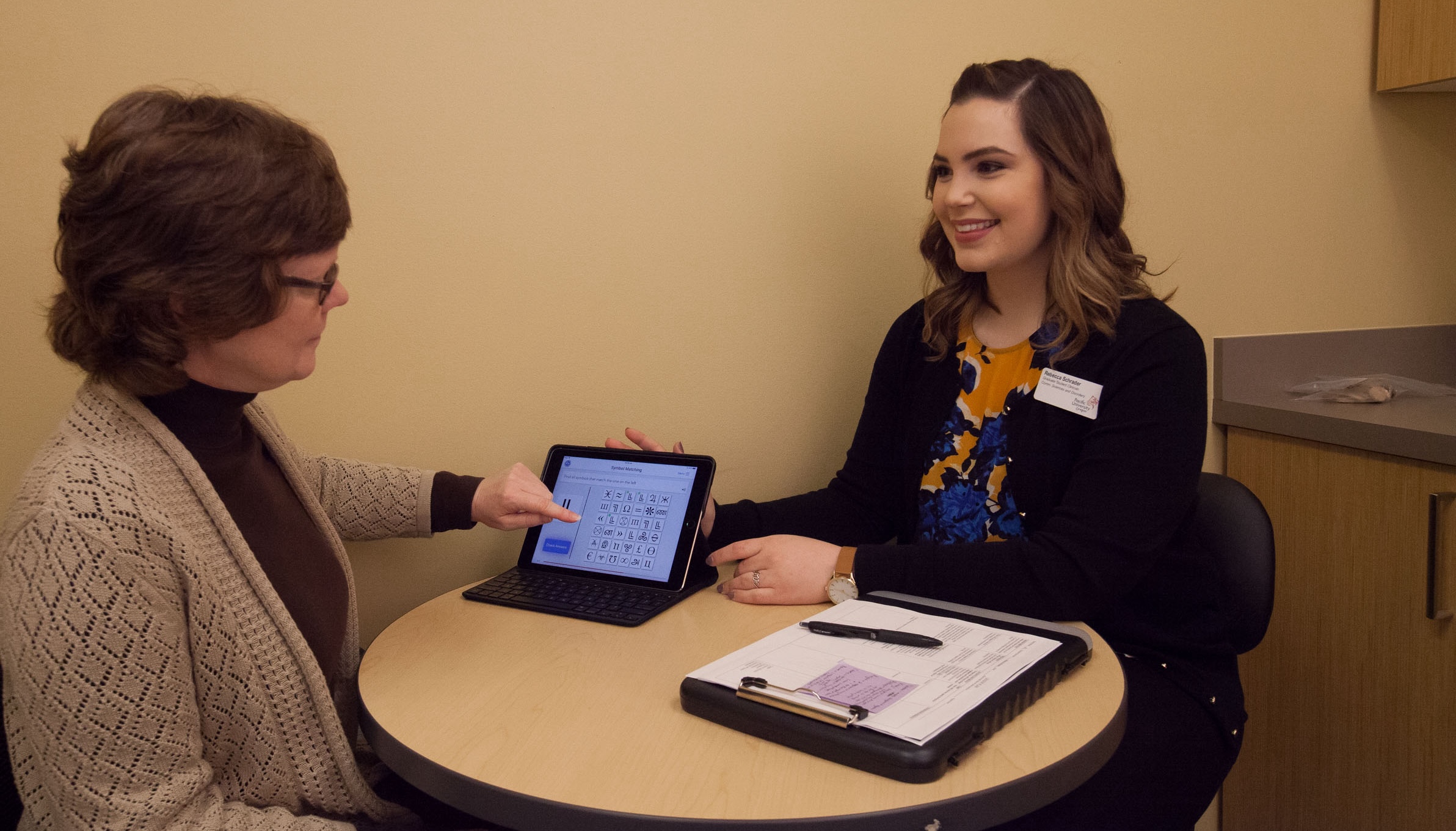
Community is at the heart of what we do. Rather than training in a single on-campus clinic, Pacific students are embedded in real working environments, hospitals, schools, rehabilitation centers, early childhood programs, and more, practicing alongside licensed SLPs in the same settings where they'll build their careers. Furthermore, through partnerships with local organizations, students also provide services to individuals who might not otherwise have access to care. Most students gain experience across at least seven distinct sites, graduating with the real-world confidence and professional relationships that set them apart.



SLP Admissions
Carmel Nicol
Assistant Director of Graduate and Professional Admissions & Advisor Relations
csd@pacificu.edu
The Master of Science (M.S.) education program in speech-language pathology (residential) at Pacific University is accredited by the Council on Academic Accreditation in Audiology and Speech-Language Pathology of the American Speech-Language-Hearing Association, 2200 Research Boulevard, #310, Rockville, MD 20850, 800-498-2071 or 301-296-5700.
In compliance with Federal Regulations and State Authorization Reciprocity Agreements (SARA) Manual Version 19.2, the School of Communication Sciences and Disorders provides the following disclosure related to the educational requirements for professional licensure in speech-language pathology.
Find information about graduation and exam pass rates here. Student learning outcomes and additional curriculum information is available in the academic catalog. Student expectations and resources are available in the student handbook.
